
How Tattoo Removal Works: Science Behind the Laser

Many people believe that tattoos are a permanent way to express themselves, but as time passes, our preferences, occupations, or life decisions may change. A contemporary laser tattoo removal method provides a safe, efficient, and scientifically supported option for individuals wishing to reverse their ink. What transpires beneath your skin's surface when the laser begins to work? How does this process operate? We will discuss the intriguing science of laser tattoo removal in this blog as well as the importance of seeking advice from a licensed skin specialist in Vizag, such as Dr. Deepthi Balusu, a renowned lady skin specialist in Vizag, for safe and efficient outcomes.
Understanding Tattoo Ink and your Skin
The dermis, the second layer of skin beneath the epidermis, is where the ink is injected when you get a tattoo. In order to make tattoos permanent, the dermis is more stable and less likely to shed skin cells. Tattoo ink particles are too big for your body's immune system to eliminate on its own. In order to break down those ink particles into smaller pieces that your body can eventually get rid of, laser technology uses intensely concentrated energy.
How Laser Tattoo Removal Works
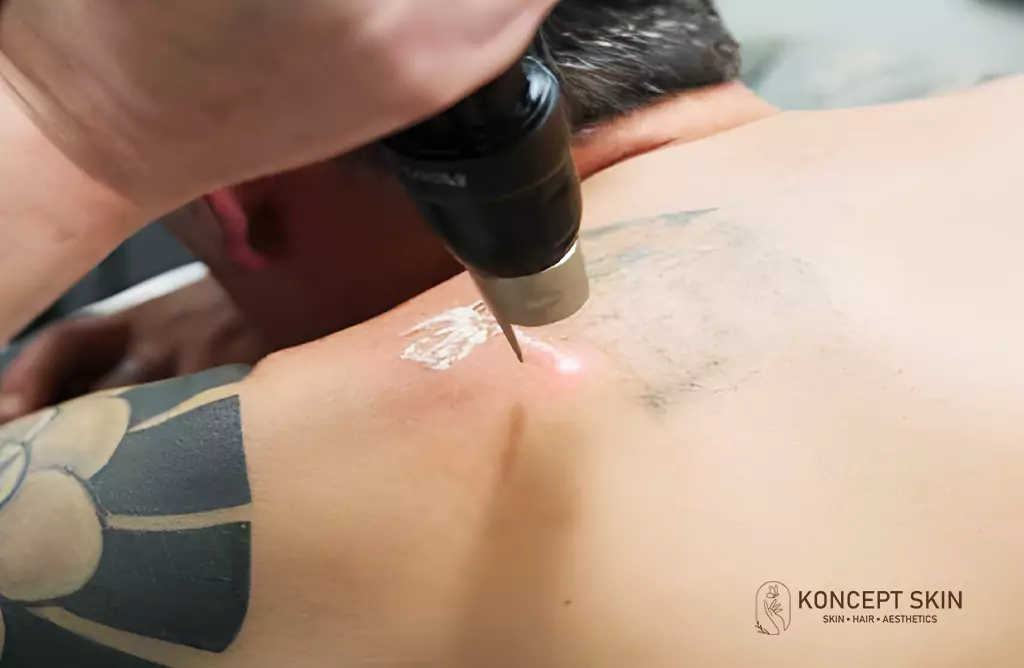
Laser tattoo removal uses Q-switched lasers, a type of laser that emits ultra-short pulses of energy in specific wavelengths. These lasers are powerful and precise, targeting only the tattoo pigments without damaging the surrounding skin.
Here's a breakdown of the process:
1. Selective Photothermolysis
This is the fundamental idea behind laser tattoo elimination. Depending on the color, the laser's light is absorbed by the tattoo ink selectively at particular wavelengths. Because it absorbs all wavelengths, black ink, for instance, is the easiest to remove. On the other hand, hues like blue and green are more difficult to remove and call for more specialized lasers.
2. Shattering the Ink
The absorbed laser energy heats up the ink particles rapidly, causing them to shatter into tiny fragments. These fragments are now small enough for your body's immune system — specifically the macrophages (a type of white blood cell) — to absorb and process them.
3. Natural Elimination
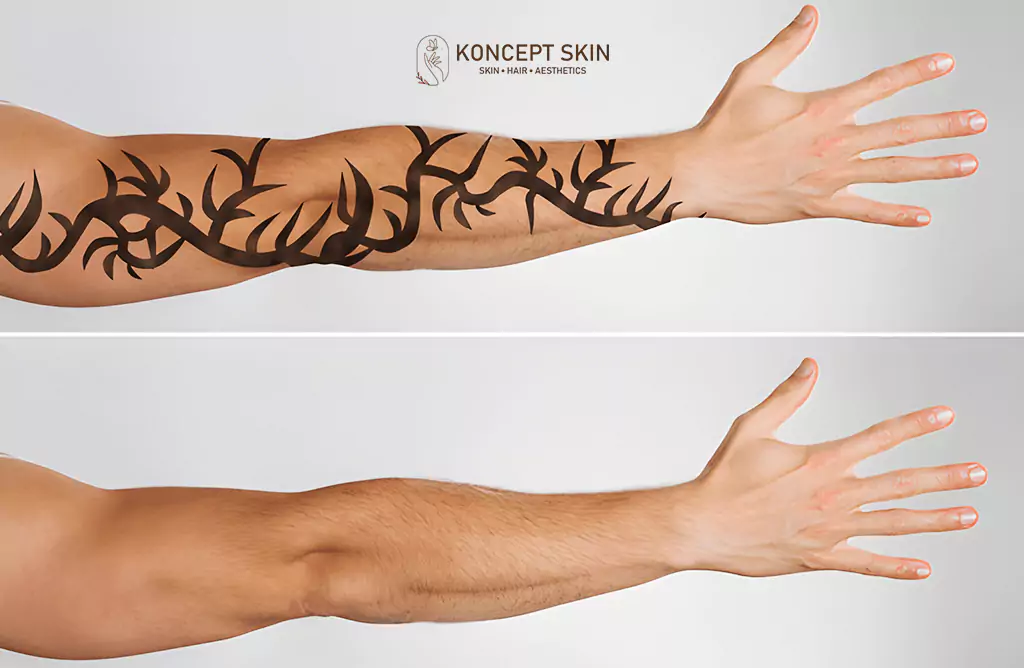
These ink particles are removed by your body's lymphatic system over the ensuing weeks, which causes the tattoo to gradually fade. Because each session breaks down more pigment and your skin needs time to heal between sessions, multiple sessions are typically required.
Factors That Affect Tattoo Removal Success
While the science is solid, several variables influence the success of laser tattoo removal:
- Ink color: As mentioned earlier, black is easiest, while light blue, green, and yellow may require more sessions.
- Tattoo depth and density: Heavily inked or older tattoos can take longer to remove.
- Skin type: Darker skin tones require more care to avoid hyperpigmentation or scarring.
- Location of tattoo: Tattoos located further from the heart (like ankles) may take longer to fade due to slower circulation.
That’s why consulting a certified skin specialist in Vizag is critical before beginning the procedure.
Why Choose a Specialist Like Dr. Deepthi Balusu
Just as important as technology is when it comes to tattoo removal, so is experience. Renowned for her expertise in dermatology and cosmetic skin procedures, Dr. Deepthi Balusu is a lady skin specialist in Vizag. Patients at her cutting-edge skin clinic in Vizag receive the following services.
- Personalized skin assessments before beginning any procedure
- FDA-approved Q-switched and picosecond lasers
- A clean, sterile, and comfortable clinical environment
- Aftercare guidance to minimize any risk of infection or scarring
Dr. Deepthi’s scientific approach ensures that laser tattoo removal is done safely, with maximum efficacy and minimal downtime.
Is Tattoo Removal Painful?
Although everyone has a different threshold for pain, the majority of patients say that it feels like a rubber band snapping against their skin. To lessen discomfort during the procedure, numbing creams or cooling devices are frequently used. Many people find removal to be less painful and much faster per session than getting a tattoo.
Side Effects and Safety
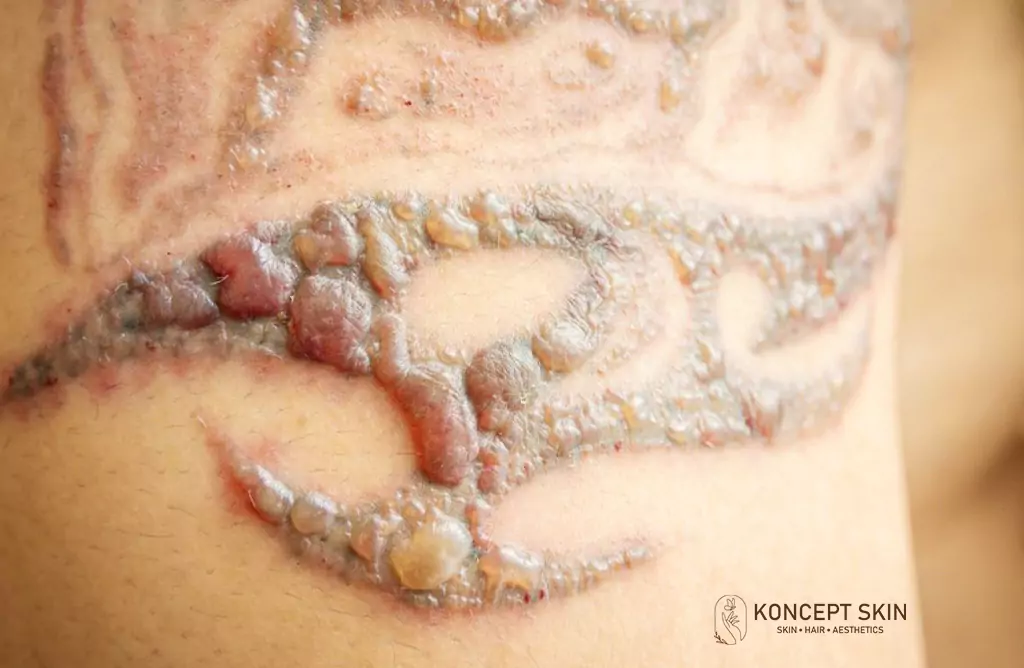
Some common side effects include temporary redness, swelling, blistering, or slight scabbing, all part of the healing process. When performed by a certified dermatologist like Dr. Deepthi Balusu, the risk of complications is minimal. However, choosing an unqualified provider or over-the-counter laser devices can result in permanent damage like scarring or hyperpigmentation, especially for sensitive or darker skin types.
As a trusted lady skin specialist in Vizag, Dr. Deepthi provides customized treatment plans for all skin tones and tattoo types to minimize risk and ensure results.
Aftercare is Crucial
Post-treatment care is just as important as the procedure itself. Here’s what you should follow:
- Keep the area clean and dry
- Avoid sun exposure for several weeks
- Don’t pick or scratch any scabs or blisters
- Apply prescribed ointments or moisturizers
- Follow all instructions from your dermatologist
Proper aftercare helps your skin heal faster and reduces the chances of scarring.
Conclusion: Trust Science and Specialists
Laser tattoo removal is a powerful blend of advanced science and medical expertise. By understanding how it works, you can make informed choices about your tattoo removal journey. Whether you’re removing a tattoo for aesthetic, emotional, or professional reasons, it’s important to trust an expert.
If you're considering tattoo removal, consult Dr. Deepthi Balusu, a leading skin specialist in Vizag, known for her precise technique and personalized care. As a reputed lady skin specialist in Vizag, she ensures each patient receives scientifically-backed treatments with compassion and safety at the forefront.
At her clinic, the goal isn’t just to remove your tattoo — it’s to restore your confidence.